Children’s Mental Health Week 3-7 February raises awareness of children’s mental health and supports organisations, schools and families to encourage children and young people to express their emotions.
Current research suggests as many as one in six children and young people aged 7-16 years have a probable mental health disorder. In addition, emotional disorders, like anxiety and depression, are on the rise among children.
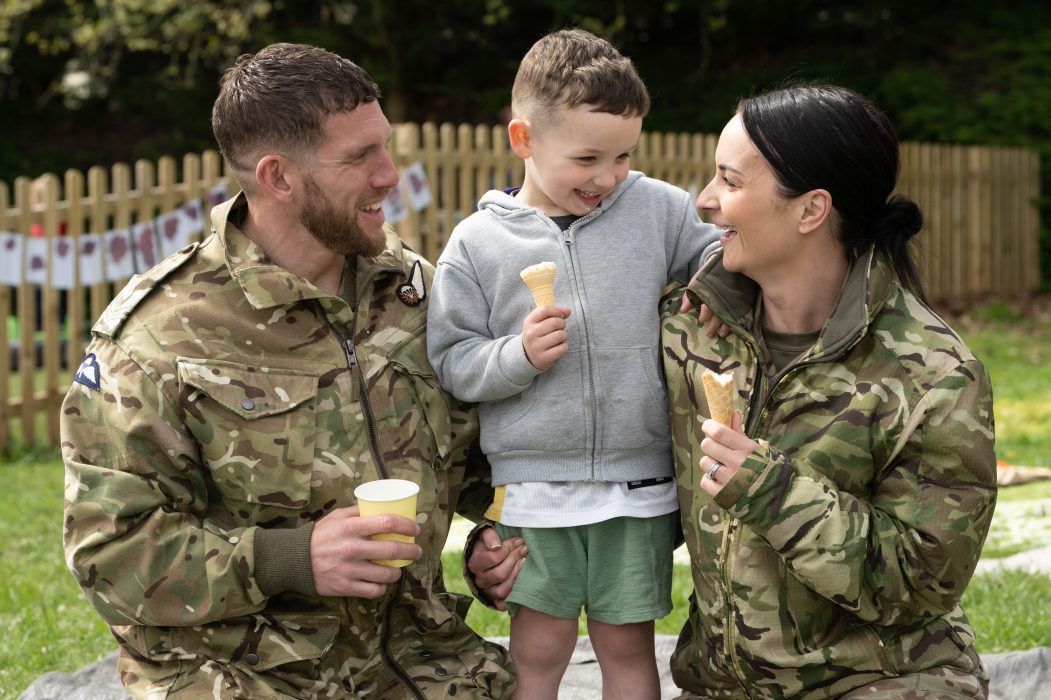
Good mental health is essential for all children, but for children of miliary families, it’s even more important, as they face a unique set of challenges.
Suzy Everitt, SEND & Inclusion Lead at RAFAKidz, reflected on the specific challenges faced by children of serving personnel, and how the organisation can best support them.
“We know it’s incredibly important to look after the mental health of our military children because they face a particular set of challenges, like their parents being deployed, or the fact they may be moving around a lot. They may not always have their nearest and dearest with them.
“At RAFAKidz we’re in a really good position because we understand all those challenges from the get-go. It’s really important we support our families and our children to make sure they have the very best care and attention.”
An environment where children feel supported, empowered and enabled is also essential for supporting good mental health for children, particularly if they have additional needs like autism.
“It’s about creating an environment where children can be themselves but also have those opportunities for learning. Making sure the environment is accessible and inclusive is key, especially for children with special educational needs. It allows them to build on their skills and become those fabulous little people that we know that they are.”
Suzy pointed out that treating each child as an individual was vital for identifying potential concerns quickly and taking steps to support the child and their family.
“We’re using different initiatives and interventions, like the WellComm screening toolkit for speech and language, to help us pick up any pressures, upsets or concerns early on so we can bridge the gaps between NHS referrals, as we know referrals are taking so long.
“That early intervention supports our children to develop so they’re not left behind.”